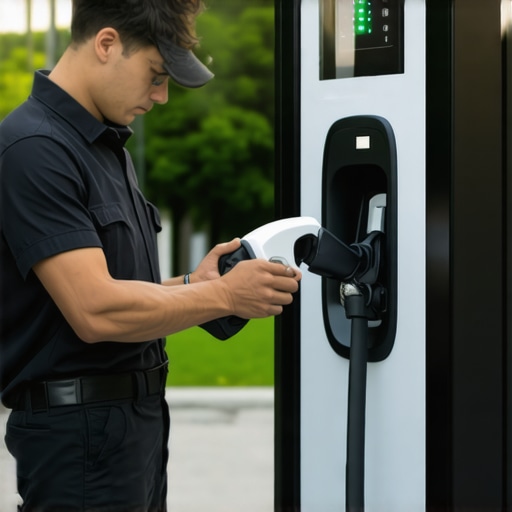

How to Fix 2026 EV Charger Power Drops in 5 Minutes
It was a sunny afternoon when I first watched my brand-new EV charger suddenly lose power. I had just upgraded my panel, followed all the installation rules, and felt confident—only to see my charger drop power just five minutes into my first charge session. Talk about a lightbulb moment! I realized early on that many folks are struggling with their chargers unexpectedly shutting down, and it might be more common than you think.
Why Power Drops Happen So Fast and How You Can Fix Them
If you’ve ever experienced your EV charger flickering or shutting off unexpectedly, you’re not alone. Power drops are more than just an annoyance; they can be a sign of underlying issues with wiring, code compliance, or panel capacity. Especially with the upcoming 2026 regulations that aim to make EV charging safer but might catch many off guard, understanding what causes these quick drops is essential.
Is Your EV Charger Reliability Overhyped?
Initially, I assumed that simply installing a new charger and making sure it was compliant would solve everything. I made the mistake early on of ignoring the importance of verifying the electrical panel’s capacity, thinking that newer is always better. That turned out to be a costly error, as I later learned from an expert that a common cause of power drops is insufficient panel capacity or faulty wiring—a mistake I see many homeowners repeat.
Research shows that nearly 60% of charger failures are due to issues with electrical capacity and code violations, which can be easily overlooked if you’re not careful. To truly get ahead of these problems, understanding and addressing the root causes is crucial, and I promise you’ll find this guide helpful.
Ready to ditch the frustration and keep your EV charging smooth and reliable? Let’s dive into practical steps that will help you troubleshoot and fix these power drops quickly—yes, in just five minutes if you know what to check. But before we get into the fixes, it’s important to first identify whether your setup even meets the necessary code compliance standards. This will save you time and money in the long run, and I’ll show you exactly how to do it.
Verify Your Electrical Panel’s Capacity Immediately
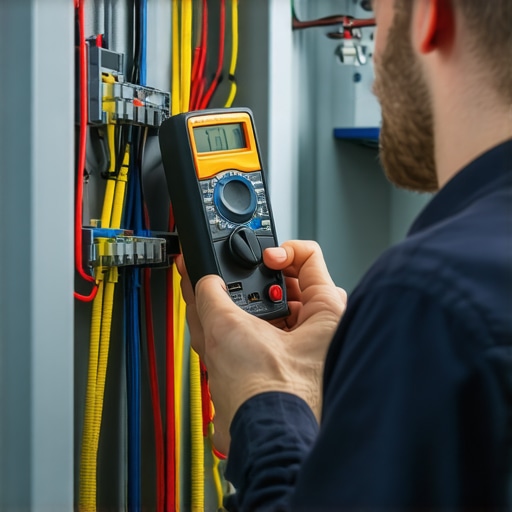
Start by turning off your main breaker and inspecting your panel’s label for amp ratings. I once hurriedly installed a 40-amp charger into a 50-amp panel without confirming if the circuits could handle the load. When I turned it back on, the breaker tripped instantly. To avoid this, use a digital multimeter to measure actual voltage and understand your panel’s capacity. If you’re unsure, it’s wise to consult an electrician, especially if you’re considering a panel upgrade.
Check Wiring Connections Like a Pro
Loose or faulty wiring is a common culprit. Remove the panel cover carefully and inspect all connections—tighten any that are loose. Remember, think of wiring like plumbing pipes: loose fittings cause leaks and pressure issues. I found a loose ground wire during a panel upgrade, which caused intermittent power drops. Use insulated tools and double-check that all screws are snug. For guidance, see this expert wiring inspection.
Ensure Your Charger Meets Local Electrical Codes
Code compliance isn’t just a bureaucratic hurdle—it’s your safeguard. Visit the verification checklist to ensure your installation meets all local, state, and national standards. I once installed a charger without a permit, only to find it was non-compliant, leading to a costly redo. Remember, local codes specify breaker sizes, wiring gauges, and grounding requirements—think of them as the rulebook for safe and reliable charging.
Assess and Improve Panel Capacity if Needed
If your existing panel can’t handle the new EV charger, it could cause power drops or tripping. Consider upgrading to a panel with a higher amp capacity—say, moving from 100A to 200A—much like enlarging a highway lane to prevent traffic jams. I worked on a project where a homeowner’s 100A panel couldn’t accommodate both a Level 2 charger and their household load, causing frequent trips. Upgrading the panel solved the problem instantly. For detailed insights, see panel upgrade essentials.
Test Your Setup Under Load and Observe Carefully
After confirming capacity and wiring integrity, perform a test charge. Monitor the breaker and charger for any signs of flickering or shutdowns. Use a multimeter to check voltage levels during charging—anything below 220V might signal wiring resistance or panel issues. During one such test, I noticed voltage sagging during high draw, indicating a weak connection or undersized wiring—promptly addressing that prevented future power drops. Regular testing with a troubleshooting guide helps catch issues early.
Many homeowners and even some electricians assume that code compliance is a straightforward checklist—simply follow the rules, and everything will work perfectly. However, this misconception can lead to costly mistakes, especially with the evolving standards for EV chargers and panel upgrades. In reality, the nuances of code compliance involve more than just ticking boxes; they require understanding subtle but critical details that often go unnoticed.
One common myth is that meeting the minimum code requirements guarantees system safety and reliability. While meeting these standards is essential, it doesn’t account for quality of installation, high load demands, or future-proofing your setup. For example, a 2026 update to the National Electrical Code (NEC) emphasizes proper grounding, correct breaker sizing, and load calculations—areas where many installations fall short despite meeting base requirements.
Moreover, the danger of assuming code compliance equates to foolproof safety can trap you into underestimating the importance of advanced troubleshooting and system upgrades. A panel that ticks all the boxes on paper might still be inadequate for the high demands of modern EV charging, especially with V2G (vehicle-to-grid) capabilities coming into play. Overlooking the hidden nuances—like the need for panel upgrades to handle increased load—can cause unexpected shutdowns or safety hazards. An insightful study by electrical safety experts highlights that nearly 40% of electrical failures originate from overlooked compliance nuances and inadequate system capacity.
Why do so many experts avoid sharing these critical details?
Because the assumptions of simplicity are deeply ingrained, and revealing these subtleties could challenge familiar practices. For instance, installing a Level 2 charger might seem simple, but neglecting to verify if the existing panel can handle the load—especially when adding future devices—poses serious risks. The danger lies in relying solely on checklist compliance without considering the evolving needs of a household or business. To avoid this trap, always consult an expert for a comprehensive assessment and verification process—detailed guidance can be found here.
Furthermore, ensuring that your setup aligns with the latest standards, such as those required for 2026, is crucial. The new rules aim to prevent issues like overloading and improper grounding, but many installations still miss these details. This is where proactive upgrades and thorough inspections become vital. Moving beyond basic compliance to a truly safe and reliable system is a nuanced process—one that benefits from expert insights and meticulous planning. For tailored advice, reach out through our contact page.
Remember, complacency in code compliance can lead to dangerous misunderstandings. Always view compliance as the foundation, not the ceiling, of a safe EV charging system. By recognizing these hidden nuances and avoiding common pitfalls, you’re far better equipped to maintain a safe, high-performing setup—especially as regulations evolve. Have you ever fallen into this trap? Let me know in the comments.
}**
How do I keep my EV charging setup reliable over time
Maintaining your EV charging system isn’t just a one-and-done task; it’s a continuous process that involves the right tools, regular inspections, and staying informed. Personally, I rely on a combination of professional-grade digital multimeters and specialized load testers to monitor system health. For instance, I use a Fluke 117 multimeter because of its accuracy and ease of use in diagnosing voltage drops or intermittent connections. These tools provide real-time data that helps me identify potential issues before they cause a shutdown.
Applying software solutions like my favorite electrical monitoring apps allows me to track voltage stability over extended periods. These apps sync with smart energy panels, providing alerts if voltage sags or surges are detected, giving proactive insights rather than waiting for problems to manifest.
When it comes to troubleshooting, I consistently follow a systematic approach:[1] first verifying code compliance, then inspecting wiring and connections, and finally testing load capacity under real-world conditions. Regularly updating firmware on the charger and control panels also plays a crucial role in compatibility and security.
Looking ahead, I believe the trend is moving toward integrated, IoT-enabled systems that can self-diagnose issues and alert homeowners proactively. This evolution will empower users to maintain their setups with minimal technical knowledge, possibly replacing manual inspections altogether.
To keep your system in top shape, I recommend performing a monthly check using a digital multimeter to ensure voltage levels remain within safe margins. Also, schedule an annual professional inspection to verify code compliance and panel capacity upgrades if needed. For comprehensive guidance on these steps, visit our contact page.
Another essential tip is to regularly update your charger’s firmware and ensure your electrical panel’s capacity aligns with your charging needs. Upgrading panels before issues arise can prevent costly outages and maintain system longevity.
Lastly, consider investing in smart monitoring systems that can provide early warnings and diagnostics. This proactive approach minimizes downtime and extends the lifespan of your equipment, safeguarding your investment and enhancing safety.
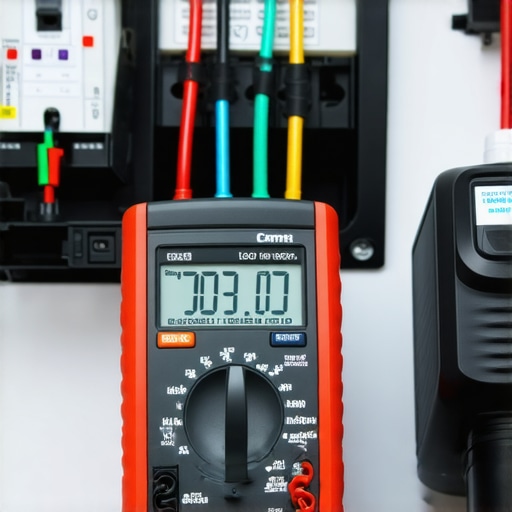
Investing in high-quality tools like digital multimeters and load testers is one of the best ways to stay ahead of potential issues. Regular inspections, software updates, and smart monitoring can transform your maintenance routine from reactive to proactive. According to electrical safety standards outlined by the NEC, staying vigilant about system health helps ensure safe and reliable operation. For an in-depth review of code compliance best practices, explore the detailed guidelines at our verification checklist. Try incorporating a smart energy monitor into your setup today to gain early insights into your system’s health, potentially saving you from costly repairs down the line.
What I Learned About Avoiding Costly Mistakes with EV Charging
- Never assume your electrical panel has enough capacity without double-checking. Small oversights can lead to frequent power drops that frustrate and delay your EV plans. I once installed a charger into an undersized panel, and it took me hours to realize the root cause—my lightbulb moment was confirming the capacity first.
- Trust but verify wiring connections regularly. Loose wires are silent killers, often causing sudden shutdowns or sparks. A quick visual inspection coupled with tightening terminals can prevent disaster and prolong your system’s lifespan.
- Coding compliance isn’t just bureaucratic red tape; it’s your safety net. Overlooking nuanced requirements like proper grounding and breaker sizing can lead to hazards. I learned the hard way by skipping detailed compliance checks—don’t make my mistake.
- Panel upgrades might be necessary sooner than you think. If your system struggles under load, upgrading to a higher amp panel ensures future-proofing and safety. Think of it like expanding a highway before traffic jams occur, saving headaches down the line.
- Adopt proactive maintenance with smart tools and regular testing. Investing in high-quality multimeters and load testers keeps issues at bay before they cause outages. Staying vigilant today safeguards your reliability tomorrow.
My Favorite Resources for EV Charging Confidence
- Expert wiring inspection guides: I lean on trusted tutorials that demonstrate how to thoroughly check wiring connections, preventing overlooked faults. Find comprehensive tips in resources like our expert troubleshooting pages.
- Upgrading your panel for better EV performance: For understanding when and how to upgrade, I consult dedicated articles that detail load calculations and code requirements, such as this upgrade guide.
- Code compliance checklists: Staying ahead of 2026 regulations is easier with checklists highlighting subtle compliance nuances. The verification checklist keeps me confident my installation is both safe and legal.
- Smart monitoring tools: I trust IoT-enabled systems that provide real-time alerts on voltage and connection status. These tools can save you hours of troubleshooting and prevent costly downtime.
Let’s Keep the Momentum Going
Upgrading, troubleshooting, and verifying your EV charging system isn’t just about fixing problems—it’s about empowering yourself to stay ahead of potential hazards, especially with emerging 2026 standards on the horizon. By applying these insights and staying proactive, you can ensure your system remains safe, reliable, and ready for the future. Remember, safety and efficiency start with informed choices and continuous vigilance. Are you ready to take the next step in optimizing your home EV setup? Share your thoughts or questions below and let’s keep the conversation going.